
Family law and divorce
Asset division where one party may have undeclared wallets, exchange accounts, or on-chain holdings not reflected in financial disclosures.
Crypto asset identification
For attorneys, investigators, and financial professionals who need to locate, trace, and verify cryptocurrency in litigation, estate matters, and enforcement — using methodology designed to hold up under review.
Who this is for
Identification work is scoped to authorized legal, regulatory, or corporate investigations — not open-ended searches on unrelated parties.
Asset division where one party may have undeclared wallets, exchange accounts, or on-chain holdings not reflected in financial disclosures.
Civil or criminal matters involving misappropriated digital funds — tracing movement from known source wallets or compromised accounts.
Executors or counsel locating cryptocurrency a decedent held but did not document — starting from devices, records, or partial address leads.
Judgment creditors, trustees, or regulators identifying attachable crypto assets and exchange touchpoints relevant to a debtor or subject.
What we trace
Work combines on-chain analysis with corroborating evidence from the matter — not blockchain lookups in isolation.
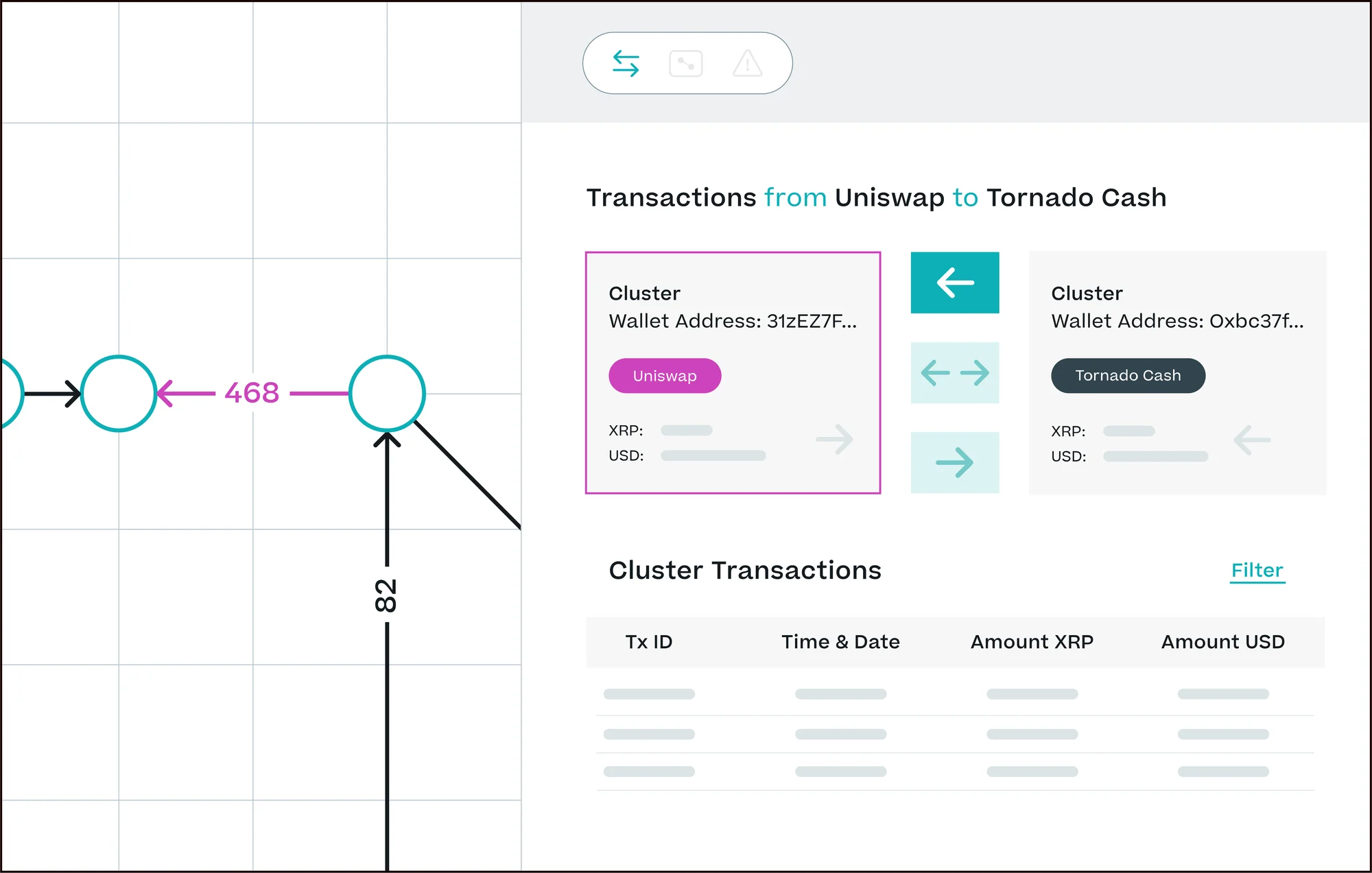
Link blockchain addresses to subjects using transaction patterns, clustering, and cross-reference with device, financial, or testimony evidence.
Follow fund movement across chains and layers — including visible mixer use, bridge transfers, and consolidation points worth documenting.
Identify likely custodial deposits, off-ramps, and NFT holdings tied to the matter when on-chain data and supporting leads allow.
Scope and limits
Public blockchain data has limits. Lenix scopes each engagement to lawful access, available leads, and what can be supported in a report.
We take cases with a legal, regulatory, or corporate investigation basis — not speculative tracing of unrelated individuals or addresses.
Exchange balances held in custodial accounts or undeclared cold storage may require separate legal process beyond public ledger analysis.
Methods and data handling are documented for counsel review, regulatory settings, or court — with chain of custody preserved.
Lenix can support plaintiff counsel, defense, or serve as an independent expert in asset division and valuation disputes.
Identification is bounded by leads provided, chain visibility, and lawful access. We state what is and is not recoverable from available data.
Findings are shared only with parties authorized under the engagement — not broadcast or used outside the defined matter scope.
How it works
A structured path for counsel and investigators — scoped before analysis begins.
Step 1
Case type, parties, known wallet addresses, device or financial records, and what questions identification needs to answer.

Step 2
Wallet linkage, flow mapping, and exchange touchpoint analysis using on-chain data cross-referenced with matter evidence.
Step 3
Written analysis with timelines and methodology section — suitable for litigation strategy, compliance, or further legal process.
What you receive
Deliverables are tailored to the matter — not generic blockchain screenshots.
Dated flow of relevant movements with wallet linkage maps showing how identified addresses connect to the subject matter.
Methodology, findings, and limitations documented for counsel review — with clear separation of fact and inference.
Expert testimony or supplemental analysis available where jurisdiction, engagement terms, and case needs require it.
Share the case context and leads you already have. We will outline what identification work is realistic before scoped engagement.